
On this International Peace and Love Day, I want to take a moment to reflect on a phrase that’s been echoing through our community: “Not our fight.” For many Black activists, this began as a heartfelt call to focus on our own healing and self-determination after generations of political neglect. It’s a sentiment born from real pain, exhaustion, and a desire to prioritize our survival in a world that too often asks us to show up for everyone but ourselves.
But as with so many powerful ideas, “Not our fight” has been picked up and twisted by others—especially some within the Democratic Party. Now, it’s being used to suggest that since Kamala didn’t win, Black folks should step back from protest and activism, as if it’s all a trap set against us. This shift has left many wondering: Are these movements for justice truly serving Black interests, or just exposing us to more risk?
Let’s be clear: the original “Not our fight” isn’t about apathy or anarchy. It’s about setting boundaries, protecting our communities, and demanding that our voices and needs come first for once. Black activists have always stood strong and spoken truth to power, but we must also be careful not to let our words become weapons that divide or shame those who are simply tired and hurting.
Recently, a social media post from Butch Ware—referencing “Uncle Ruckus coons” from The Boondocks—sparked heated debate. His intention was to call out those who dismiss struggles like #FreePalestine or #ICEraids as “not our fight.” But language like this, even when rooted in satire, can feel alienating and disrespectful to Black folks with legitimate concerns about solidarity and political engagement. We can’t afford to shut each other out or downplay the pain behind these words.
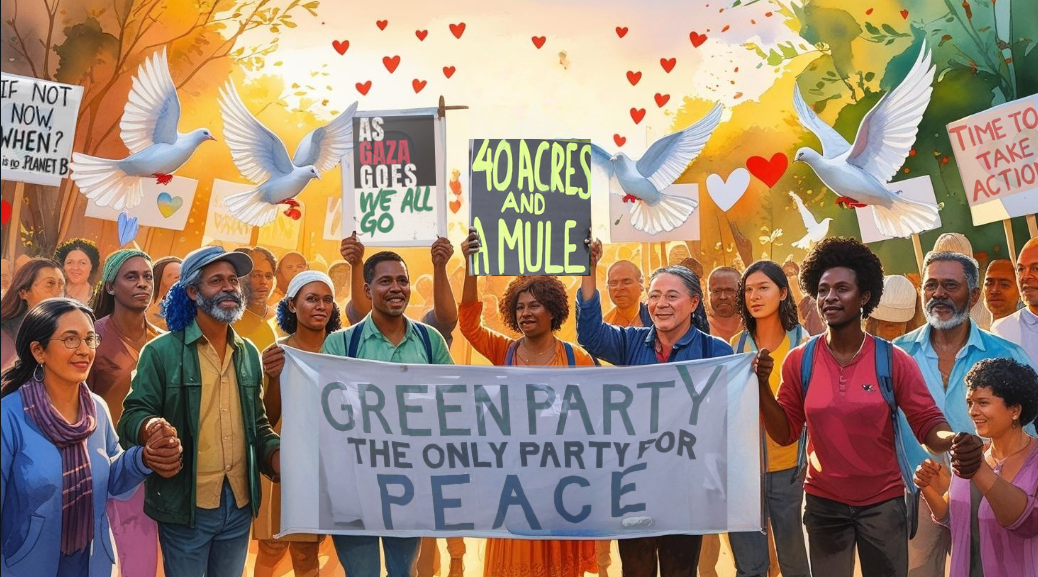
On International Peace and Love Day, let’s remember that true solidarity means meeting people where they are—not shaming them for their exhaustion or their boundaries. Our work is to build bridges, not walls. We need alliances rooted in reparative justice, local empowerment, and intersectional solidarity. That means listening deeply, holding space for disagreement, and always centering love and respect in our activism.
As we move forward, I invite us all to engage in open, honest dialogue. Let’s acknowledge the need for safety and self-determination, while also recognizing that our struggles for justice—whether for reparations, immigrant rights, or global liberation—are all connected. None of these fights are zero-sum games. On this day of peace and love, let’s recommit to building a movement where everyone has a place, and no one is left behind.
In Solidarity
-Philena
Showing 1 reaction
Sign in with
Facebook Twitter